
n the world of construction and heavy industry, raw materials may look simple, but their impact is massive. Among these essential materials, dolomite powder and lime powder play a crucial role in strengthening structures, improving process efficiency, and reducing long-term costs. From roads and buildings to steel plants and environmental treatment systems, these mineral powders quietly support modern infrastructure.
This blog explores what dolomite and lime powders are, how they are produced, and why they are indispensable across construction and industrial applications.
Understanding Dolomite and Lime Powders
What is Dolomite Powder?
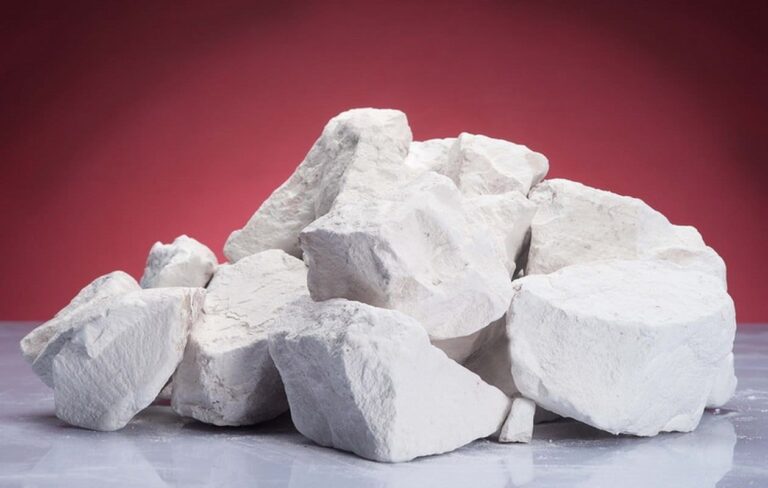
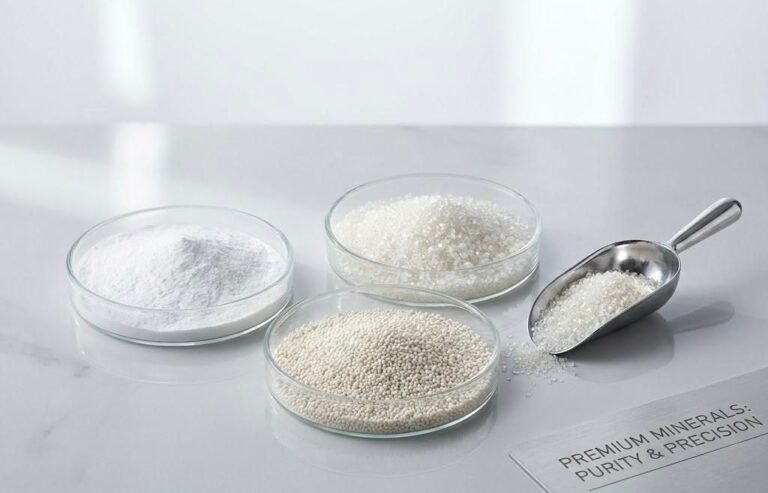
Dolomite is a naturally occurring mineral composed mainly of calcium magnesium carbonate. When crushed, ground, and processed into fine powder, it becomes dolomite powder — a versatile material widely used in construction, steel, glass, ceramics, and agriculture.
Its key characteristic is the presence of both calcium and magnesium, which gives dolomite superior hardness, chemical stability, and thermal resistance compared to ordinary limestone.
What is Lime Powder?
Lime powder is derived from limestone (calcium carbonate) through a process called calcination. Limestone is heated at high temperatures to produce quicklime, which can then be hydrated to form hydrated lime powder.
Lime powder is highly reactive and valued for its binding, alkalinity, and chemical purification properties, making it essential for construction, metallurgical, and environmental uses.
Manufacturing Process: From Stone to Powder
Both dolomite and lime powders go through multiple controlled steps to ensure consistent quality:
- Mining & Quarrying – High-purity dolomite or limestone is extracted from selected quarries.
- Crushing & Screening – Large stones are crushed into smaller sizes.
- Grinding & Pulverizing – Stones are milled into fine powders of required mesh sizes.
- Calcination (for lime) – Limestone is heated in kilns to remove carbon dioxide.
- Hydration (optional) – Quicklime is hydrated to produce hydrated lime.
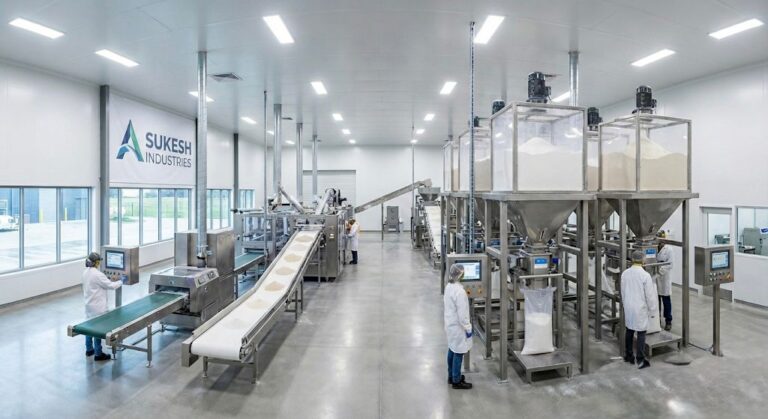
- Quality Testing & Packaging – Final products are tested for purity, fineness, and chemical composition.
Consistent particle size and purity are critical, especially for industrial applications.
Role of Dolomite & Lime in Construction
1. Cement and Concrete Manufacturing
Dolomite and lime powders are widely used as:
- Raw materials in cement production
- Fillers to improve density and strength
- Additives to control setting time
Dolomite enhances hardness and durability, while lime improves workability and binding strength.
2. Soil Stabilization and Road Construction
Lime powder is extensively used to stabilize weak soils in highways, embankments, and foundations.
Benefits include:
- Reduced plasticity of clay soils
- Increased load-bearing capacity
- Improved moisture resistance
- Longer pavement life
This makes lime treatment a cost-effective solution for large infrastructure projects.
3. Mortar, Plaster, and Whitewash
Hydrated lime improves:
- Smoothness and spreadability
- Adhesion to surfaces
- Crack resistance
- Breathability of walls
Dolomite powder is often added to plasters and putties to enhance surface finish and reduce shrinkage.
Industrial Applications of Dolomite & Lime Powders
1. Steel and Metallurgical Industry
In steel manufacturing, dolomite and lime are essential fluxes.
They help:
- Remove impurities such as silica and sulfur
- Control slag chemistry
- Protect furnace linings
- Improve steel quality
Dolomite’s magnesium content makes it especially useful in refractory and high-temperature environments.
2. Glass and Ceramic Industry
Dolomite powder:
- Improves hardness and scratch resistance
- Enhances chemical durability
- Reduces melting temperature
Lime powder acts as a stabilizer in glass, improving clarity and strength. Both materials are widely used in ceramic tiles, sanitaryware, and glass products.
3. Chemical and Process Industries
Lime powder is used for:
- pH control and neutralization
- Chemical precipitation
- Acid waste treatment
Dolomite serves as a filler and pH regulator in several chemical formulations, offering stability and cost efficiency.
Environmental and Water Treatment Uses
Water Purification
Lime powder is a key material in:
- Drinking water treatment
- Industrial wastewater neutralization
- Softening hard water
It helps remove heavy metals, adjust pH levels, and improve water clarity.
Flue Gas and Pollution Contro
In power plants and industrial units, lime-based products are used to:
- Neutralize acidic gases
- Reduce sulfur emissions
- Control environmental pollutants
These applications make lime an important material for sustainable industrial operations.
Agricultural Benefit
Dolomite and lime powders are widely used to improve soil health.
Lime Powder:
- Neutralizes acidic soil
- Improves nutrient availability
- Enhances microbial activity
Dolomite Powder:
- Supplies calcium and magnesium
- Improves crop yield and soil structure
Balanced soil pH directly contributes to healthier crops and better productivity.
Advantages of Using High-Quality Dolomite & Lime Powders
Choosing the right quality powder delivers long-term benefits:
- ✔ Improved structural strength
- ✔ Better chemical efficiency
- ✔ Reduced material consumption
- ✔ Enhanced durability of finished products
- ✔ Lower maintenance and lifecycle costs
Consistency in particle size and chemical composition is essential for predictable results.
Factors to Consider While Selecting the Right Grade
Before procurement, industries should evaluate:
- Purity and chemical composition
- Particle size (mesh or micron)
- Moisture content
- Reactivity and solubility
- Application-specific requirements
Using application-matched grades ensures optimal performance and avoids production issues.
Storage and Handling Best Practices
To maintain quality:
- Store powders in dry, moisture-free conditions
- Use sealed bags or silos
- Avoid contamination during handling
- Follow safety guidelines, especially for lime due to its high alkalinity
Proper storage preserves reactivity and usability.
Future Demand and Industry Outlook
With increasing infrastructure development, smart cities, steel production, and environmental regulations, the demand for dolomite and lime powders continues to grow.
Key growth drivers include:
- Urbanization and road projects
- Expansion of steel and cement industries
- Focus on wastewater treatment and sustainability
- Agricultural soil improvement initiatives
These minerals remain foundational materials for modern development.
Conclusion
Dolomite and lime powders may appear simple, but their contribution to construction and industrial processes is immense. From strengthening buildings and roads to refining steel, purifying water, and improving soil health, these materials deliver performance, reliability, and cost efficiency.
Selecting the right grade, maintaining quality consistency, and sourcing from a reliable manufacturer can significantly enhance project outcomes. As industries evolve and sustainability becomes more important, dolomite and lime powders will continue to be essential building blocks of progress.