
Modern manufacturing depends heavily on materials that deliver consistency, performance, and cost efficiency. While metals and polymers often take the spotlight, industrial minerals such as bentonite, silica, and related mineral powders quietly play a critical role in shaping product quality across industries. From rubber and paints to foundries, ceramics, and environmental applications, these minerals are evolving from basic fillers into high-performance functional materials.
This blog explores bentonite, silica, and other key industrial minerals, their properties, and how their emerging uses are transforming today’s manufacturing processes.
Understanding Industrial Minerals
Industrial minerals are naturally occurring, non-metallic materials that are processed for their physical and chemical properties rather than their metal content. Unlike metals, their value lies in characteristics such as:
- Particle size and shape
- Chemical stability
- Absorption capacity
- Thermal resistance
- Surface activity
Bentonite and silica stand out due to their versatility and adaptability across multiple industries.
Bentonite: The Multi-Functional Clay Mineral
What is Bentonite?
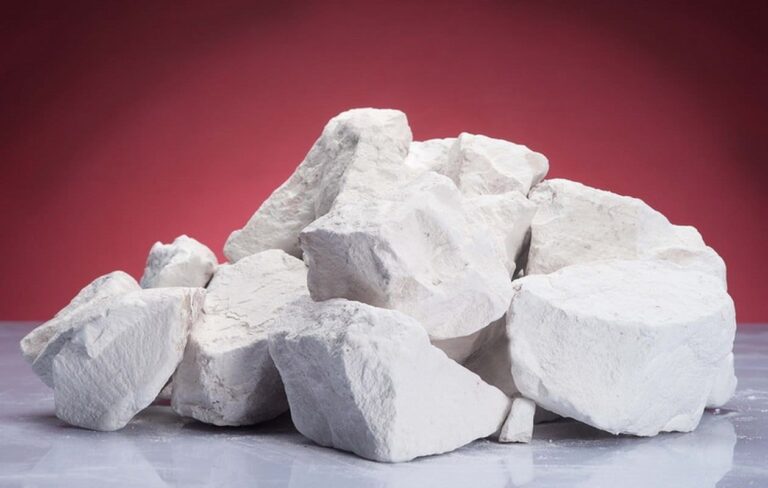
Bentonite is a highly absorbent clay primarily composed of montmorillonite. It forms from the alteration of volcanic ash and is known for its ability to swell, bind, and absorb liquids.
There are two main commercial types:
- Sodium Bentonite – High swelling and water absorption
- Calcium Bentonite – Lower swelling, higher adsorption and stability
Each type serves different industrial needs.
Key Properties of Bentonite
- Excellent binding strength
- High plasticity
- Strong water absorption and swelling ability
- Chemical stability
- Fine particle size
These properties make bentonite indispensable in applications where control, cohesion, and consistency are required.
Major Industrial Applications of Bentonite
1. Foundry Industry
Bentonite is widely used as a binder in foundry sand systems.
- Improves mold strength
- Enhances surface finish of castings
- Allows easy mold breakdown after casting
Its ability to bind sand particles under heat makes it essential for metal casting.
2. Drilling and Oilfield Applications
In drilling fluids, bentonite:
- Stabilizes boreholes
- Controls fluid loss
- Cools and lubricates drilling tools
Its swelling and viscosity properties help maintain pressure balance during drilling operations.
3. Construction and Civil Engineering
Bentonite is used in:
- Slurry walls and diaphragm walls
- Foundation sealing
- Waterproofing systems
Its low permeability helps prevent water seepage, making it ideal for underground construction.
4. Environmental and Waste Treatment
Bentonite’s adsorption capacity allows it to:
- Remove heavy metals
- Absorb toxins and contaminants
- Line landfills and waste ponds
This makes it a valuable mineral in environmental protection projects.
Silica: The Backbone of Precision Manufacturing
What is Silica?
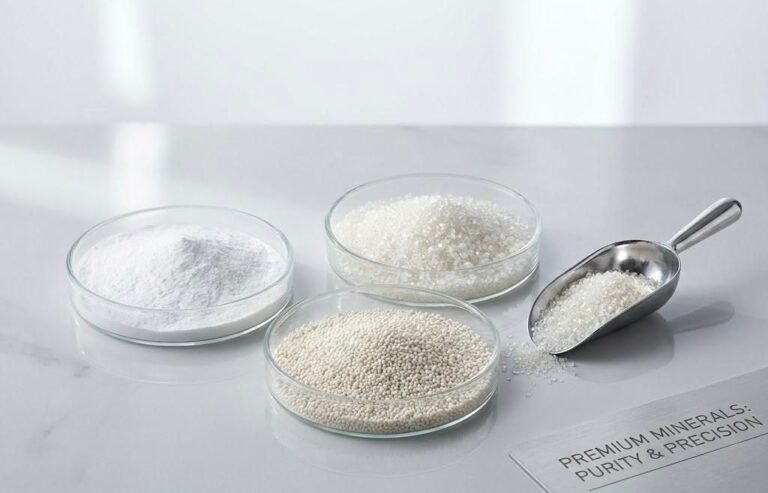
Silica, or silicon dioxide, occurs naturally as quartz and sand. In industrial processing, silica can be refined into high-purity powders or chemically processed into precipitated silica.
Different forms of silica include:
- Crystalline silica
- Amorphous silica
- Precipitated silica
- Fumed silica
Each type serves specialized manufacturing requirements.
Key Properties of Silica
- High hardness and thermal resistance
- Chemical inertness
- High surface area (in precipitated forms)
- Reinforcing capability
- Excellent dispersion characteristics
These properties make silica essential in precision and performance-driven industries.
Industrial Applications of Silica
1. Rubber and Tyre Manufacturing
Precipitated silica is widely used as a reinforcing filler in rubber compounds.
- Improves tensile strength
- Enhances abrasion resistance
- Reduces rolling resistance in tyres
- Improves fuel efficiency
This has made silica a preferred alternative to carbon black in many applications.
2. Paints, Coatings, and Inks
Silica is used to:
- Control viscosity
- Improve scratch resistance
- Enhance matting effects
- Prevent pigment settling
Its fine particle size ensures smooth finishes and long-lasting coatings.
3. Adhesives and Sealants
Silica improves:
- Thixotropic behavior
- Mechanical strength
- Heat resistance
It helps adhesives maintain stability during application and curing.
4. Glass and Ceramics
Silica acts as a primary raw material in:
- Glass manufacturing
- Ceramic tiles and sanitaryware
- Refractory products
It improves durability, transparency, and thermal performance.
Other Important Industrial Minerals and Their Uses
Talc
- Improves smoothness and lubrication
- Used in plastics, paints, and ceramics
- Enhances stiffness and heat resistance
Dolomite
- Used in glass, steel, and ceramics
- Acts as a flux and stabilizer
- Improves hardness and durability
Calcite and Calcium Carbonate
- Used as fillers and extenders
- Improves opacity and strength
- Reduces production costs
Each mineral adds a specific functional benefit when blended correctly into manufacturing formulations.
Emerging Trends in Industrial Mineral Usage
1. Shift from Fillers to Functional Additives
Modern manufacturing increasingly uses minerals not just to reduce cost, but to enhance performance. Particle engineering and surface treatments allow minerals to deliver:
- Better dispersion
- Higher strength
- Improved chemical compatibility
2. Demand for Fine and Ultra-Fine Grades
Industries now prefer micronized and nano-scale minerals for:
- Improved surface finish
- Better reinforcement
- Higher efficiency at lower dosages
This trend is especially visible in rubber, coatings, and plastics.
3. Sustainability and Environmental Compliance
Industrial minerals support sustainability by:
- Replacing synthetic additives
- Enabling lower energy processes
- Supporting pollution control and water treatment
Naturally abundant minerals help manufacturers reduce environmental impact.
Quality Parameters That Matter in Manufacturing
When selecting bentonite, silica, or other industrial minerals, manufacturers must consider:
- Chemical composition
- Particle size distribution
- Moisture content
- Surface area
- Purity and consistency
- Application-specific performance
Even small variations can affect final product quality, making reliable sourcing critical.
Storage and Handling Considerations
To maintain performance:
- Store minerals in dry, controlled environments
- Prevent contamination
- Use moisture-resistant packaging
- Follow safety guidelines during handling
Proper storage ensures consistency and long shelf life.
Future Outlook of Industrial Minerals
As industries move toward automation, advanced materials, and eco-friendly processes, the demand for high-quality industrial minerals will continue to rise.
Growth drivers include:
- Expansion of rubber and tyre manufacturing
- Infrastructure and construction development
- Environmental regulations
- Advanced coatings and specialty chemicals
Industrial minerals will remain essential building blocks for modern manufacturing.
Conclusion
Bentonite, silica, and other industrial minerals are no longer just basic raw materials — they are performance-enhancing components that define product quality, efficiency, and sustainability. Their evolving roles in modern manufacturing highlight the importance of selecting the right mineral, grade, and processing method.
As industries grow more sophisticated, the value of consistent, high-purity, and application-specific industrial minerals will only increase. Manufacturers that understand and leverage these materials effectively gain a significant competitive advantage in today’s market.